Peptides have moved from obscure scientific research into mainstream fitness culture. Athletes, bodybuilders and everyday gym goers are talking about GLP 1 medications, recovery peptides and fat loss compounds more openly than ever. Gyms, online coaching groups, and social media communities across the UK now discuss topics that were once on the fringes of biohacking forums.
This surge has sparked a mixture of enthusiasm, inquisitiveness, and perplexity. Some adults see peptides as the next evolution in sports science. Others worry about misinformation and unrealistic promises. This guide explains why peptides are trending, how they work and what the evidence actually says.
What are peptides?
Peptides are short chains of amino acids that act as signalling molecules in the body. They help regulate processes such as growth, recovery, metabolism and hormone release. Some peptides occur naturally. Others are synthesised to mimic or enhance specific biological signals.
Fitness related peptides generally fall into groups such as:
- GLP 1 related compounds linked to appetite regulation
- Growth hormone releasing peptides linked to recovery
- Tissue repair peptides
- Metabolic peptides
- Peptides studied for muscle building support
Peptides are often considered more targeted than traditional supplements, but precision does not guarantee suitability or safety for every person.
Why peptides are becoming popular in modern fitness
Influencer visibility
Athletes, fitness creators and online coaches are discussing peptides more openly. When high level performers mention recovery or fat loss compounds, public interest rises.
Social media exposure
Short form videos highlight dramatic transformations, which encourages adults to research the compounds involved.
Longevity and metabolic health trends
More people want to improve energy, reduce body fat and support long term health. Peptides align with this shift toward targeted wellness.
Advances in research
Medical research around GLP 1 medication, tissue repair and metabolic peptides has expanded. As studies increase, confidence grows.
Accessibility through telehealth
Specialist clinics and online medical services have made peptide information easier to access. This approach does not replace medical oversight, but it changes how people explore these compounds.
The GLP 1 effect
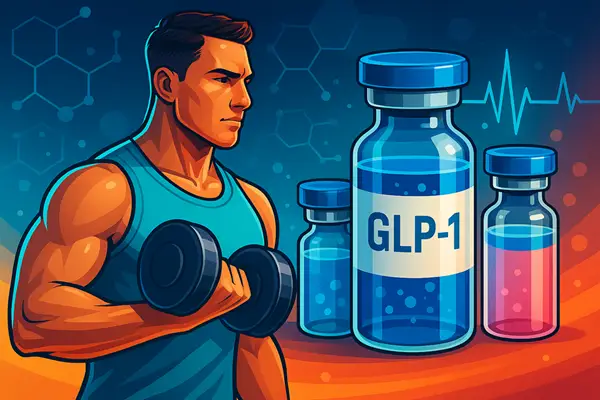
GLP 1 receptor agonists were originally created for type 2 diabetes. It slows digestion, reduces appetite, and supports blood sugar regulation. Their impact on weight loss has been widely discussed, which is why GLP 1 compounds have become a major topic in fitness and lifestyle communities.
Why athletes pay attention to GLP 1 compounds
- They can support fat loss in adults with higher body fat
- They help reduce appetite during cutting phases
- They may improve adherence to calorie control
- Some people report more stable dieting habits
These effects relate to appetite signals rather than performance. If calorie intake becomes too low, athletic output may decline, so careful planning is required.
What the science says
Research strongly supports the effect of GLP 1 medications on appetite control and weight reduction. Evidence for direct athletic performance benefits is limited. Their primary role remains medical, not sport enhancement.
Beyond GLP 1: Peptides gaining attention in fitness
Recovery peptides
Used by athletes interested in tissue repair and post training recovery. Faster recovery often means more consistent sessions.
Growth hormone related peptides
These affect pathways that regulate the release of growth hormone. Some adults explore them during demanding training periods, although long term effects need more research.
Fat loss peptides
Marketed for metabolic support and fat oxidation. Results vary widely.
Muscle building peptides
Linked to processes involved in muscle protein synthesis. Evidence in healthy athletes is limited, so expectations should remain realistic.
Benefits athletes commonly report
Athlete experiences differ, but common observations include:
- Faster recovery after intense training
- Reduced appetite during dieting phases
- Support with fat loss when combined with consistent calorie control
- Improved training consistency
- Better energy regulation when used appropriately
Anecdotes can be useful, but scientific evidence has more weight.
Risks and considerations
Peptides influence hormone and metabolic pathways, so caution is essential. Important considerations include:
- Digestive discomfort or nausea
- Headaches or fatigue
- Quality variations when purchased without medical oversight
- Interactions with medications
- Misaligned expectations from online transformation videos
Medical guidance is especially important for adults with existing conditions.
How athletes use peptides safely
Athletes who use peptides generally focus on responsible practices such as:
- Studying reputable medical research
- Matching compounds to specific goals rather than trends
- Starting at the lowest effective amount when medically advised
- Monitoring how the body responds
- Avoiding unnecessary stacking
- Taking planned breaks
- Asking qualified professionals for guidance
Responsible use prioritises long term wellbeing over rapid results.
Who peptides may be suitable for
Peptides are usually considered by adults who:
- Struggle with recovery from high volume training
- Have reached fat loss plateaus despite a consistent routine
- Are focusing on metabolic health
- Have medical support for specific peptide treatment
- Prefer targeted biological tools rather than broad supplements
Suitability depends on individual goals and health status.
Who peptides may not be suitable for
Peptides may not be appropriate for adults who:
- Have unmanaged medical conditions
- Are taking medications with potential interactions
- Prefer to stay within natural supplementation
- Expect extreme or rapid transformations
- Are pregnant or breastfeeding
- Are under 18
Avoidance is often the safer option when uncertainty exists.
How peptides fit into a long term fitness plan
Peptides give the best results when paired with strong fundamentals such as:
- Resistance training three to five times per week
- Structured cardio based on goals
- A balanced diet with stable protein intake
- Quality sleep
- Stress management routines
- Planned rest periods
Peptides can support progress, but they cannot replace lifestyle foundations.
The future of peptides in fitness
Interest in peptides is likely to grow due to:
- More scientific research
- The rise of longevity based fitness
- Increased demand for personalised health tools
- Better public understanding
- Wider access through telehealth
As research develops, the compounds with real long term value will become clearer.
Key takeaways
- Peptides have become mainstream due to visibility and research
- GLP 1 compounds have influenced public interest in appetite and fat loss tools
- Recovery, metabolic and muscle related peptides attract adults seeking targeted support
- Evidence varies across compounds and not all meet the expectations seen online
- Medical guidance and responsible use remain crucial
- Peptides work best alongside strong training and nutrition foundations